

How to Choose a Fiberglass Swimming Pool Builder in the United States
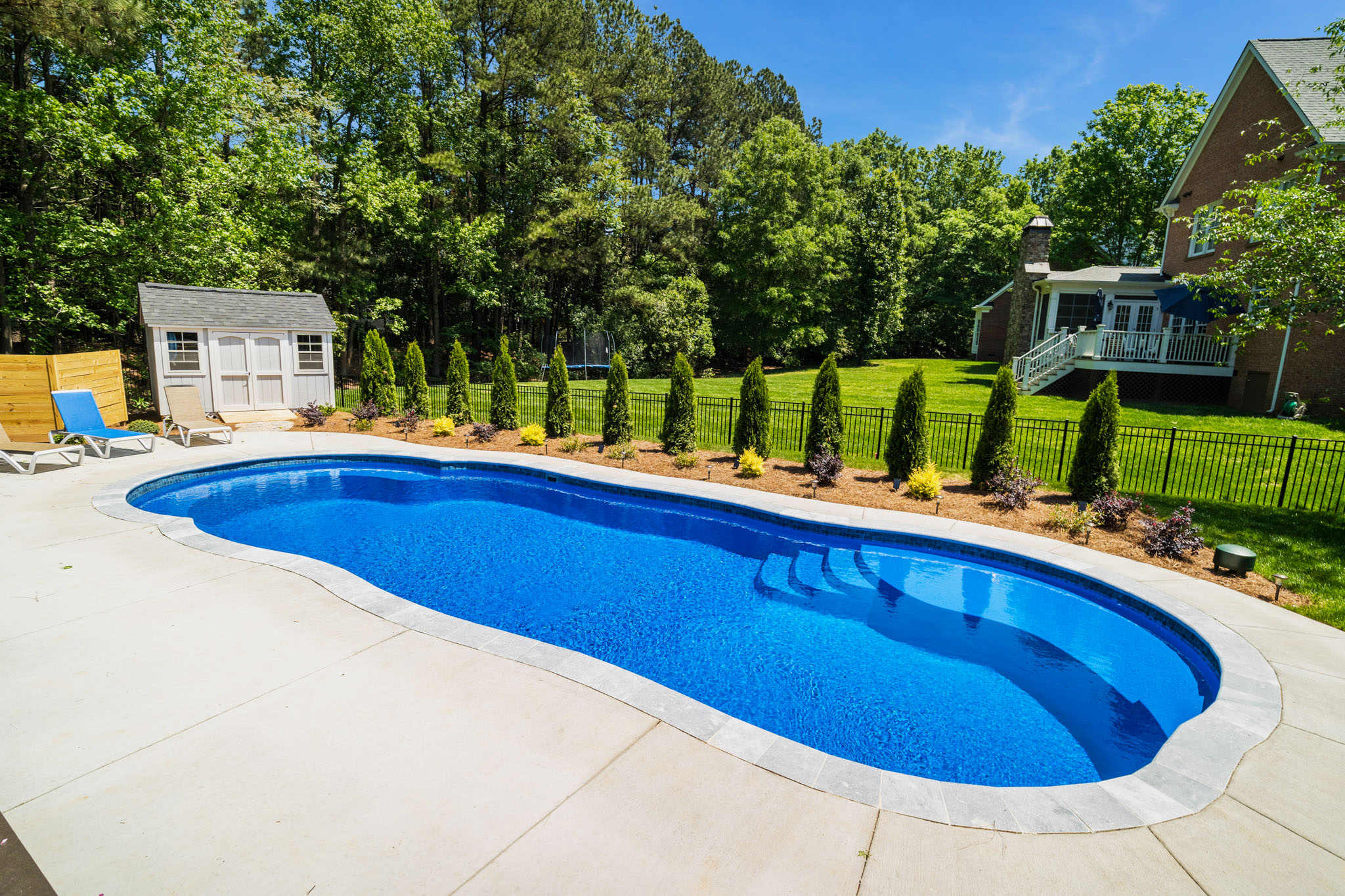
Imagine watching a crane lower a shimmering, one-piece shell into your yard—effectively a giant, high-tech bathtub created in a factory-controlled environment to guarantee precision. Because this vessel arrives pre-finished, industry timelines confirm the “speed to swim” is often just 3-5 weeks, a stark contrast to the months-long construction projects typical of concrete. This unique delivery method eliminates the unpredictable weather delays that often frustrate eager homeowners, getting you into the water significantly faster.
Yet, a perfect shell is only as good as the ground it sits in. Finding a qualified fiberglass swimming pool builder is the most critical step, as they serve as the general contractor ensuring your specific “Site” and plumbing “System” are prepared correctly. While the manufacturer handles the fiberglass, your builder manages the delicate installation process, turning a complex excavation project into a lasting backyard retreat.
Why ‘Factory-Made’ Doesn’t Mean ‘Foolproof’: The Critical Role of Your Local Contractor
While top-tier fiberglass pool manufacturers create incredible shells, they aren’t the ones digging up your backyard. Think of this relationship like buying high-end custom windows; the factory builds the product to precise standards, but a local expert must ensure it is sealed, fitted, and framed correctly to work. You hire a fiberglass pool contractor who purchases the shell on your behalf and manages the complex logistics of getting it into the ground safely.
Your specific soil conditions dictate how that shell performs over the next twenty years, which is why local experience is non-negotiable. A generic installation manual cannot account for the high clay content in Georgia or the shifting sandy soil in Florida. This distinction also affects your protection: the manufacturer warrants the shell structure itself, but your builder’s “workmanship warranty” covers the plumbing, potential settling, and patio work.
When you start searching for fiberglass pool dealers, use this breakdown to assign responsibility:
- The Manufacturer: Creates the shell and guarantees it won’t leak or blister.
- The Contractor: Handles permits, excavation, and ensures the pool sits level.
- The Dealer: Acts as the bridge between you and the factory if warranty issues arise.
To separate the pros from the amateurs, you need the right script. Here are the questions that expose the technical competence of your potential builder.
5 Non-Negotiable Questions to Ask Every Fiberglass Pool Dealer
Finding the best fiberglass pool company requires more than a quick Google search; it demands a structured interview process. You wouldn’t hire an employee without asking about their work history, and you shouldn’t sign a contract for a major excavation project without similar scrutiny. The goal is to separate polished salespeople from technical experts who understand the engineering required to keep your pool stable.
Many affordable inground pool installation companies lower their prices by outsourcing labor to the lowest bidder, which can lead to accountability nightmares if something goes wrong. A dedicated, in-house crew ensures that the people digging the hole answer directly to the person who sold you the pool, creating a unified chain of command that protects your timeline and your property.
When compiling your list of questions for installers, force them to be specific with these five inquiries:
- Who is digging? “Do you use your own employees or sub-contractors for the installation?”
- What goes in the hole? “Do you use clean, crushed stone (gravel) or sand for backfill?” (Note: Gravel is superior because it locks in place and drains water, whereas sand can wash away).
- Can I see your work? “May I speak to a client you finished a project for last month?”
- What is the schedule? “Do you offer a guaranteed completion date in writing?”
- Who handles the mess? “Does the quote include hauling away the excavated dirt and repairing fence access?”
Securing a trustworthy crew covers the installation, but the longevity of the vessel itself depends on how it was constructed at the factory. The chemistry that keeps your pool looking new is equally vital.
Identifying Quality in the ‘Skin’: How Top Manufacturers Protect Your Investment
While the installer determines stability, the factory determines your weekend workload through the quality of the vessel’s surface. The glossy finish is called gelcoat, a non-porous “skin” that feels as smooth as a new car’s fender. Unlike concrete, which is full of microscopic pores where algae can root, a premium gelcoat offers nowhere for bacteria to hide. This smoothness drastically reduces chemical demand, making gelcoat finish maintenance startlingly simple: keep the water chemistry balanced and the surface generally wipes clean without scrubbing.
Beneath that cosmetic layer lies a critical defense system against “osmotic blistering,” a phenomenon where water molecules get trapped inside the fiberglass layers and create unsightly bubbles. The best fiberglass pool brands prevent this by applying a layer of Vinyl Ester Resin immediately behind the gelcoat. This premium resin is chemically denser than standard polyester resins, essentially waterproofing the pool from the inside of the material to ensure the finish remains flawless for decades.
Verifying pool shell manufacturing quality requires confirming the manufacturer uses this specific Vinyl Ester barrier coat, as skipping it is a hidden cost-cutting measure that compromises long-term durability. However, even an impeccably engineered shell effectively becomes a fragile boat if it isn’t supported correctly by the earth around it. Proper backfill prevents the vessel from shifting or cracking under pressure.
Avoiding the ‘Gravel Trap’: Why Proper Backfill and Drainage are Your Pool’s Life Support
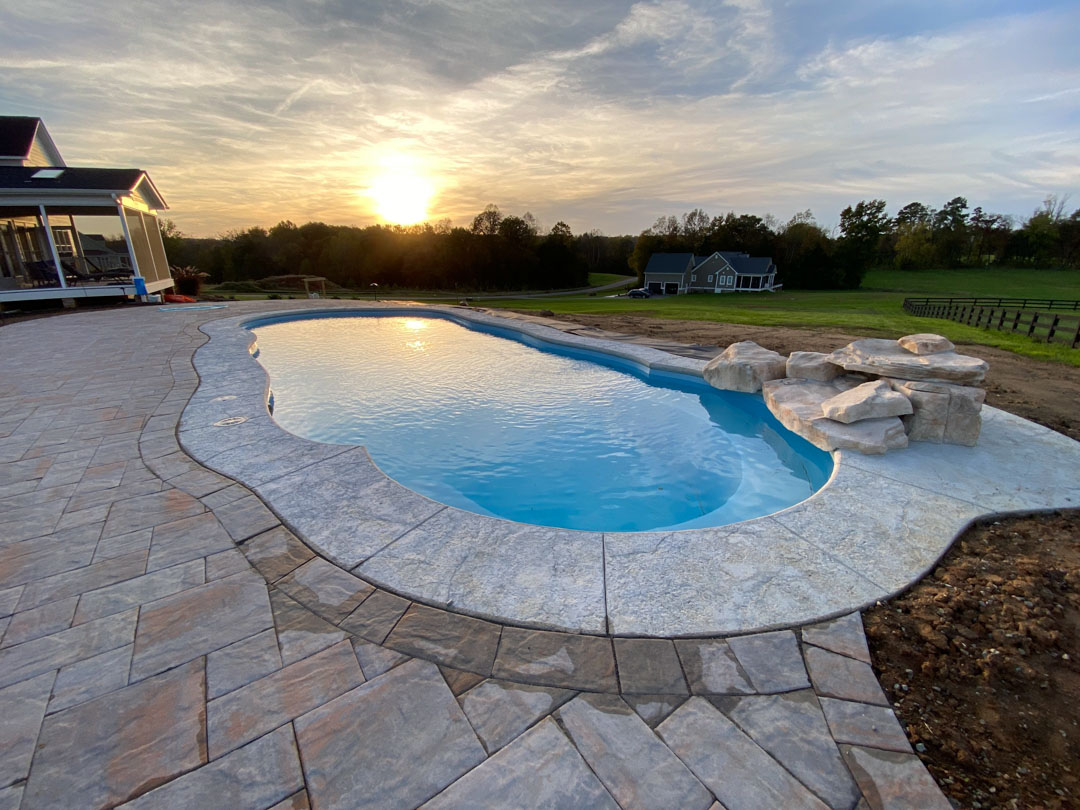
Imagine burying a watertight boat in your yard; if water accumulates underneath, that vessel naturally wants to float. This hydraulic force is the single biggest threat to your investment, which is why effective groundwater drainage solutions are non-negotiable. To neutralize the pressure, reputable builders install a “daylight drain” or sump pipe during the backyard excavation, giving water a safe path to escape rather than pushing against the shell.
once the shell is leveled, the material used to fill the void around it dictates long-term stability. While sand was once the industry standard—and still appears in budget fiberglass pool installation quotes—clean crushed stone is the superior choice for supporting the walls.
- Sand Backfill: Retains water, requires manual compaction, and creates heavy lateral pressure that can bulge pool walls.
- Crushed Stone: Locks together via friction for “self-compaction,” drains water instantly, and holds the shell rigid.
Utilizing stone also protects the expensive hardscape waiting above. Because stone doesn’t settle like organic soil, it prevents the “collar” of concrete or pavers from sinking and cracking years later. With the engineering requirements clear, you are ready to navigate the logistics of scheduling and the final contract.
Your 48-Hour Decision Plan: How to Move from ‘Browsing’ to ‘Building’
You have moved past simply browsing shapes and colors to understanding that your pool’s longevity relies heavily on what happens underground. As you research how to choose a pool contractor, look beyond glossy photos and prioritize a builder who obsesses over drainage and soil stability. This focus ensures your oasis remains secure rather than becoming a maintenance headache.
Start by using a manufacturer’s dealer locator to find authorized fiberglass pools nearby. Before digging begins, demand to review the lifetime structural warranty details in writing to confirm they cover both the shell and installation integrity. You are now equipped to hire a partner who values engineering as much as aesthetics, ensuring peace of mind long after the first splash.