
A Simple Fiberglass Pool Maintenance Schedule for Busy Homeowners
A fiberglass pool maintenance schedule helps you protect the water, equipment, and beautiful pool surface without letting pool care take over your summer.
Fiberglass pools are known for being easier to care for than many traditional pool options. Their smooth surface helps make routine cleaning more manageable. But low maintenance does not mean no maintenance. Your pool still needs balanced water, filtration, debris removal, seasonal attention, and smart habits from the people using it.
Superior Hardscapes installs River Pools fiberglass swimming pools as part of complete outdoor spaces. If you are still planning your backyard, explore our fiberglass pool installation in Michiana service page. If your pool is already part of your summer plans, use this guide to understand the rhythm of ownership. For professional help, compare our pool maintenance services in Michiana, including recurring care and seasonal opening and closing appointments.
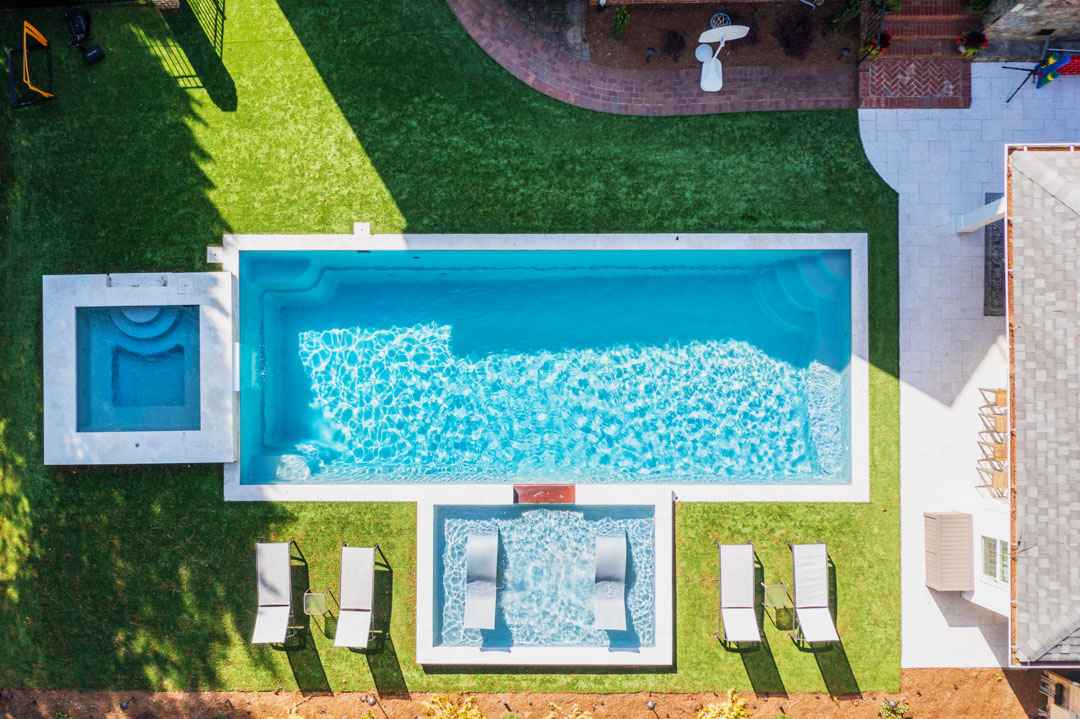
Why a Fiberglass Pool Maintenance Schedule Matters
A clear routine helps pool ownership feel predictable. Instead of waiting for cloudy water, stains, debris buildup, or equipment concerns, you can handle small care tasks at the right time.
Your exact routine may change based on the pool equipment, sanitation system, cover, weather, trees, swimmer use, and manufacturer instructions. A pool with heavy weekend use may need more testing than one used occasionally. A yard surrounded by trees may need more debris removal than an open backyard.
This guide provides a homeowner-friendly framework. Always follow the care guidance for your River Pools shell, water treatment system, heater, pump, filter, cover, and other installed equipment.
Fiberglass Pool Maintenance Schedule by Frequency
The easiest way to manage a pool is to divide care into small routines. This sample schedule gives homeowners a practical starting point. Your pool professional and equipment documentation may recommend adjustments for your specific system.
Daily or Regular Checks
- Look for leaves, insects, or visible debris.
- Check that the water looks clear and normal.
- Confirm circulation is operating as planned.
- Check water after storms or heavy use.
Routine Care
- Skim debris and clean baskets as needed.
- Brush or clean pool surfaces with pool-safe tools.
- Inspect the waterline and steps.
- Review filter pressure or system indicators.
Deeper Review
- Look for stains, scale, or unusual surface changes.
- Check equipment area for leaks or unusual noise.
- Inspect safety items and cover components.
- Review chemical use and water trends.
Opening and Closing
- Prepare the pool correctly for spring opening.
- Keep up with mid-summer care during peak use.
- Schedule proper fall closing and winterization.
- Follow cover and equipment winter instructions.
Important Water Testing Note
The CDC recommends routinely testing disinfectant levels and pH in home pools, including testing at least twice per day and more often during heavy use. The CDC recommends a pH range of 7.0 to 7.8 and at least 1 ppm chlorine in pools, or at least 2 ppm when using cyanuric acid or stabilized chlorine products. Read the CDC's home pool water treatment and testing guidance for more information.
Test and Balance the Water Regularly
Clear water is not the only sign of a healthy pool. Proper water chemistry protects swimmers, supports equipment performance, and helps protect the fiberglass surface finish.
Testing is especially important after heavy rain, a busy pool party, extreme heat, or long periods of high sunlight. These conditions can change what the water needs.
Follow the guidance from your pool care professional and the products used in your system. Do not guess with chemicals or add products without understanding their purpose. If water readings are outside the recommended range, correct them before letting the issue grow.
Water Care Habits
- Use a reliable water testing method.
- Track pH and sanitizer readings through the swim season.
- Test more often after large gatherings or storms.
- Store pool chemicals safely and separately.
- Follow product instructions and pool professional guidance.
- Ask for help if water becomes difficult to balance.
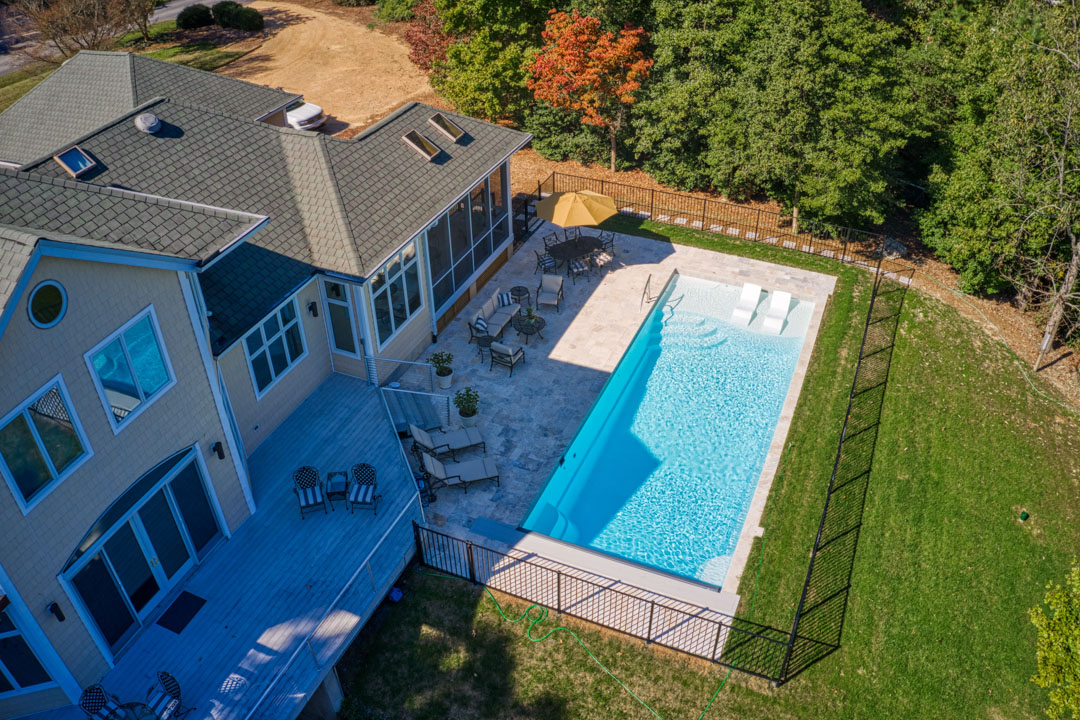
Remove Debris and Keep the Pool Surface Clean
Fiberglass pools have a smooth gelcoat surface, which is one reason homeowners value them. Routine cleaning helps maintain that clean appearance and reduces the chance of buildup at the waterline, steps, benches, and ledges.
Remove leaves and debris before they settle or break down in the water. Clean skimmer baskets as needed and use tools and products intended for fiberglass pool surfaces. Harsh tools or products that are not designed for fiberglass can cause avoidable concerns.
River Pools maintains an official fiberglass pool maintenance library with owner-focused resources for fiberglass pool care.
Skim
Remove surface debris regularly, especially after storms, windy days, or high-use weekends.
Clean
Pay attention to the waterline, tanning ledges, benches, steps, and other areas where buildup may become visible.
Protect
Use products and cleaning tools appropriate for fiberglass pools and follow the manufacturer's care guidance.
Monitor Your Pump, Filter, and Pool Equipment
Your pool water depends on the system behind the scenes. Circulation and filtration help keep the water moving and support a cleaner swimming environment.
Equipment varies from project to project. Your pool may include a specific pump, filter, heater, sanitizer, automatic cover, lighting system, or other features. Each component should be operated and maintained according to its manufacturer instructions.
Build the habit of looking at the equipment area. A leak, unusual noise, warning light, unexpected pressure reading, or change in water flow may be a sign that service is needed. Finding a small issue early is usually better than discovering it when you are ready to swim.
Equipment Checkpoints
- Check that circulation appears normal.
- Empty baskets as needed.
- Review filter pressure or equipment alerts.
- Look for leaks near equipment and plumbing.
- Listen for new or unusual operating sounds.
- Follow filter-cleaning and equipment service instructions.
- Keep equipment areas clear and accessible.
Simple Habits That Help
- Watch the water level during hot, dry weather.
- Recheck the pool after large rain events.
- Remove debris after storms.
- Encourage swimmers to rinse off before entering.
- Keep food, dirt, and lawn clippings away from the water.
- Use covers and safety features as directed.
Watch Water Level, Weather, and Swimming Habits
Pool care is affected by what happens around the pool. Hot weather can lead to water loss. Heavy rain can add debris and change water balance. High swimmer use can place more demand on the water treatment system.
River Pools recommends keeping the water level appropriate for the skimmer and warns owners not to drain a fiberglass pool without professional guidance. A fiberglass shell should be cared for according to manufacturer instructions and the specific conditions of the property.
Small household habits can also support cleaner water. Encourage swimmers to rinse off before getting in, keep lawn clippings out of the pool, and handle contamination incidents promptly using trusted safety guidance.
Seasonal Pool Care in Northern Indiana and Southwest Michigan
Michiana homeowners experience hot swim days, spring storms, falling leaves, freezing winter weather, and long periods when the pool is not being used. A maintenance schedule should account for every season, not just July.
Opening Season
Spring is the time to prepare the pool for the swimming season, inspect the cover and pool area, start systems properly, clean debris, and test the water before use.
Peak Use
Summer brings the most swimmers, heat, sunlight, storms, and outdoor gatherings. Keep testing, cleaning, and equipment checks consistent during this busy period.
Closing and Protection
Proper winterization helps protect plumbing, equipment, water condition, and the pool through freezing temperatures. Follow professional closing guidance for your system.

Fiberglass Pool Maintenance Mistakes to Avoid
Good maintenance is not only about the tasks you complete. It is also about avoiding decisions that can damage the pool finish, create unsafe water, or complicate equipment care.
Do not use harsh cleaners or tools without confirming they are appropriate for fiberglass. Do not ignore water chemistry because the water still looks clear. Do not let equipment concerns continue without attention. Most importantly, do not drain a fiberglass pool on your own. Always get professional guidance before making major water-level or maintenance decisions.
If you are comparing fiberglass to other pool types, our guide to the pros and cons of fiberglass pools explains why maintenance is one of the major reasons homeowners consider fiberglass.
Avoid These Common Errors
- Ignoring cloudy water or unusual readings.
- Using cleaning products not intended for fiberglass.
- Letting debris collect for long periods.
- Missing equipment leaks or warning signs.
- Skipping winterization in a freezing climate.
- Draining the pool without professional instruction.
- Assuming low maintenance means maintenance-free.
Fiberglass Pool Maintenance Schedule Checklist
Use this simple reminder list to help maintain your pool through the swimming season and beyond. Your specific equipment and pool-care instructions should guide the final routine.
Regular Swim Season Care
- Test water based on trusted guidance and use conditions.
- Look for debris, water clarity changes, or visible buildup.
- Confirm circulation and pool systems appear normal.
- Remove leaves and debris after storms.
- Pay extra attention after heavy swimmer use.
Weekly Cleaning Review
- Clean baskets and remove debris as needed.
- Inspect steps, ledges, benches, and the waterline.
- Use fiberglass-safe cleaning products and tools.
- Check equipment indicators and the surrounding area.
- Look over the pool patio for drainage or safety concerns.
Monthly Ownership Review
- Check for unusual stains, scale, or surface changes.
- Look for leaks, noise, or service needs at equipment.
- Review chemical and water-testing patterns.
- Inspect safety features, access, and cover components.
- Schedule help if anything does not seem normal.
Seasonal Care
- Open the pool properly before swimming season.
- Maintain consistent care through peak summer use.
- Remove falling leaves and debris in autumn.
- Winterize properly before freezing temperatures.
- Follow River Pools and equipment instructions.
Final Thought
A fiberglass pool is built to make backyard enjoyment easier. With a steady maintenance schedule and proper seasonal care, homeowners can spend less time reacting to problems and more time enjoying the space around the water.
Need Help With Your Pool Maintenance Schedule?
Superior Hardscapes offers weekly and bi-weekly pool maintenance, seasonal openings and closings, and repair service calls in Michiana. Ask our team about service availability for your pool and address.
Review the 2026 service options and pricing or contact us for a closing, opening or repair request. Recurring service uses a separate maintenance agreement.